 Darkrai Lair
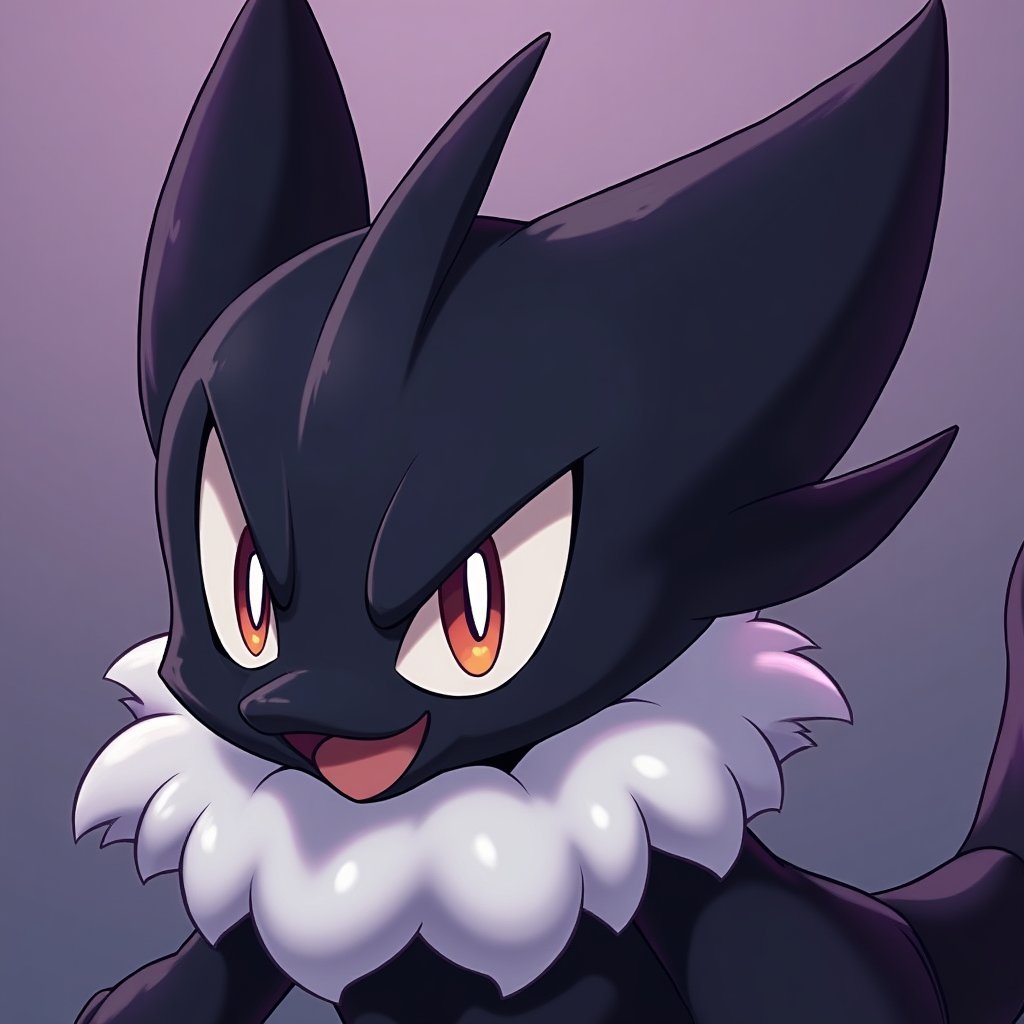
Darkrai's power in doubles formats lies not in raw damage output, but in its ability to reshape the battlefield through sleep-based disruption and shadow synergy that most players completely overlook. While singles players spam Dark Void without strategy, competitive doubles demands understanding Darkrai's role as a tempo controller that enables devastating follow-up plays from shadow-type partners.
Why Shadow Teams Dominate With Darkrai
Shadow-based compositions create multiple layers of disruption that overwhelm opponents faster than traditional hyper offense. Darkrai's Dark Void forces protection responses, opening windows for shadow partners to set up or eliminate key threats. The shadow typing provides natural synergy through shared weaknesses and resistances, creating defensive cores that standard teams struggle to break through.
Bulbapedia's VGC format documentation confirms that sleep mechanics in doubles create exponentially more value than singles due to partner protection and positioning advantages. Darkrai's 80% accuracy Dark Void becomes a 64% chance to hit both targets — devastating when it connects, manageable when it doesn't.
The nightmare Pokémon excels in formats where setup sweepers struggle because sleep disruption bypasses traditional defensive answers. Teams built around Trick Room, Tailwind, or stat boosting often crumble against well-timed Dark Void plays that reset their tempo entirely.
Core Shadow Synergy Partners
Building around Darkrai requires understanding which shadow-types create the most oppressive combinations. The strongest partnerships exploit shared offensive coverage while covering each other's defensive gaps.
Crobat provides speed control and U-turn pivoting that Darkrai desperately needs. Its Infiltrator ability bypasses Substitute users that otherwise wall Dark Void setups. Super Fang forces opponents into KO range for Darkrai's Dark Pulse, creating consistent two-turn eliminations against bulky threats.
Drifblim offers Unburden speed doubling and explosive damage through Acrobatics after consuming its Berry. Will-O-Wisp complements Dark Void by creating multiple status conditions that opponents cannot cure simultaneously. The ghost typing provides Fighting immunity that covers Darkrai's biggest weakness.
Sableye brings Prankster priority support that makes shadow teams nearly unbreakable. Priority Will-O-Wisp and Recover create sustainable pressure while Fake Out provides guaranteed turn-one positioning. Its ghost/dark typing covers both Fighting and Psychic attacks targeting Darkrai.
Umbreon functions as the team's special wall with Synchronize punishment for status moves. Toxic Spikes support wears down switch-ins while Moonlight provides reliable recovery. The pure dark typing shares STAB with Darkrai for consistent offensive pressure.
| Shadow Partner | Primary Role | Key Synergy | Speed Tier | |---|---|---|---| | Crobat | Pivot/Disruption | U-turn + Super Fang setup | 130 Base Speed | | Drifblim | Speed Control | Unburden + Will-O-Wisp | 80→160 Base Speed | | Sableye | Priority Support | Prankster + Fake Out | Priority bracket | | Umbreon | Special Wall | Synchronize + Toxic Spikes | 65 Base Speed |
VGC Darkrai Build Optimization
Successful VGC Darkrai builds balance offensive presence with support utility. The standard Timid nature with maximum Speed and Special Attack creates consistent Dark Void opportunities while maintaining knockout power against common threats.
Moveset construction centers on Dark Void as the primary tool, with Dark Pulse providing reliable STAB damage. The remaining slots depend on team composition — Focus Blast covers Steel-types that resist dark moves, while Icy Wind provides speed control when Dark Void fails to connect.
Item selection between Leftovers and Focus Sash creates different risk profiles. Leftovers enables multiple Dark Void attempts against offense teams, while Focus Sash guarantees at least one sleep against hyper-aggressive builds. Wide Lens increases Dark Void accuracy to 88%, but sacrifices survivability that competitive doubles demands.
→ Shop Pokemon TCG booster packs on Amazon containing modern Darkrai prints often feature the competitive movesets that translate directly to VGC play.
EV spreads require 252 Speed investment to outrun base 100 threats, with remaining points split between Special Attack and HP. The HP investment prevents OHKO from Choice Band Extreme Speed, a common endgame scenario in doubles formats.
Advanced Shadow Team Positioning
Shadow teams achieve maximum effectiveness through positioning that creates multiple threats simultaneously. Leading with Darkrai requires partner support that either protects it or capitalizes on sleep opportunities immediately.
Fake Out leads provide guaranteed turn-one safety for Dark Void, but telegraph the strategy to experienced opponents. Sableye's Prankster Fake Out offers the most reliable protection, while maintaining offensive pressure through its ability to use priority moves afterward.
Speed control alternatives work better against teams expecting Dark Void leads. Crobat's U-turn into Darkrai creates unexpected sleep opportunities while maintaining momentum. Drifblim's Unburden activation often outspeeds even Scarfed threats, creating late-game cleanup scenarios.
Switch positioning becomes crucial when opponents adapt to shadow pressure. Umbreon's defensive profile allows safe switches into predicted Fighting moves, while its Synchronize ability punishes status attempts. The key lies in maintaining multiple shadow threats that opponents cannot prepare for simultaneously.
→ Shop card sleeves protectors on Amazon featuring shadow artwork create thematic consistency for players building competitive decks around these strategies.
Counter-Meta Shadow Adaptations
Current VGC formats feature specific threats that shadow teams must address through targeted tech choices. Understanding these matchups determines tournament success against prepared opponents.
Taunt users completely shut down Dark Void strategies, requiring shadow teams to carry offensive answers. Crobat's Brave Bird provides immediate damage against common Taunt leads like Whimsicott, while Drifblim's Acrobatics eliminates Fighting-types after Unburden activation.
Electric Terrain prevents all sleep effects, making Tapu Koko one of shadow teams' worst matchups. The solution involves Drifblim's Phantom Force to avoid Thunderbolt while setting up Unburden, or Sableye's priority Will-O-Wisp to cripple physical attackers.
Steel-type cores resist dark moves and often carry Fighting coverage that threatens Darkrai directly. Focus Blast provides necessary coverage, but shadow teams perform better with dedicated Fighting-type partners that eliminate Steel threats cleanly.
Understanding these adaptations separates casual shadow team builders from competitive players who consistently perform well in tournament settings. For deeper competitive analysis, check out our Darkrai Competitive Deck Build 2026 Meta guide.
Tournament Tech Choices
Shadow teams require specific tech moves that address common VGC scenarios without compromising core strategy. These choices often determine games against equally skilled opponents.
Sleep Talk on Umbreon provides insurance against opposing sleep moves while maintaining offensive presence. The random move selection creates unpredictable scenarios that opponents struggle to play around, especially when combined with Toxic Spikes pressure.
Mental Herb allows Darkrai to use Dark Void through Taunt once per game, often catching opponents who assume they've shut down the strategy completely. The surprise factor creates game-winning opportunities in crucial matches.
Protect variants on all team members enable sophisticated positioning plays that maximize Dark Void value. Scouting opponent moves while maintaining field presence often matters more than immediate damage output in high-level play.
→ Shop deck boxes storage on Amazon designed for competitive play help organize the multiple builds that serious shadow team players develop for different tournament formats.
For collectors interested in building physical shadow teams, our Budget Darkrai Deck Build Competitive Under 100 provides accessible entry points without sacrificing competitive viability. The synergy between digital VGC strategy and physical TCG deck construction creates deeper understanding of shadow-type interactions.
FAQ
How does Dark Void accuracy affect doubles team building decisions? Dark Void's 80% accuracy becomes 64% against both opponents, making consistency builds around Leftovers recovery more viable than glass cannon approaches. Teams need backup plans for when sleep fails, typically through Will-O-Wisp or speed control alternatives. The accuracy issue requires shadow teams to pressure opponents through multiple status conditions rather than relying solely on sleep disruption.
Which shadow partners handle Darkrai's Fighting-type weakness best? Drifblim and Sableye provide the most reliable Fighting immunity through their ghost typing, but serve different roles. Drifblim offers offensive speed control through Unburden, while Sableye brings priority support that protects the entire team. Crobat lacks immunity but provides pivot options that position Darkrai safely against Fighting threats through U-turn momentum.
What item choices optimize Darkrai's role in shadow team compositions? Leftovers enables multiple Dark Void attempts and sustains Darkrai through chip damage from entry hazards or status moves. Focus Sash guarantees at least one sleep opportunity but provides no long-term value. Wide Lens improves Dark Void accuracy to 88% but sacrifices survivability that doubles formats demand through constant damage from multiple opponents.
How do shadow teams adapt to Electric Terrain and other sleep prevention? Electric Terrain requires shadow teams to shift into offensive mode immediately, using Crobat's U-turn for momentum or Drifblim's Unburden activation for speed control. Sableye's priority Will-O-Wisp becomes more valuable when sleep fails, creating burn pressure that accomplishes similar disruption goals. Teams carrying Psychic Terrain counters like Umbreon can remove terrain effects entirely.
What makes shadow team positioning different from standard doubles strategies? Shadow teams create multiple layers of disruption that require opponents to choose which threat to address first, unlike standard teams that typically focus on immediate KO pressure. Positioning involves setting up scenarios where Dark Void connects while partners capitalize on sleep opportunities immediately. The ghost typing on multiple team members creates switch opportunities that standard teams cannot replicate through type immunity alone.
→ Shop playmat gaming mat on Amazon featuring shadow themes helps competitive players maintain focus during long tournament sets where positioning decisions determine match outcomes.
→ Shop dice counters accessories on Amazon becomes essential for tracking sleep turns and status conditions across multiple Pokémon in complex shadow team matchups.
Shadow team mastery demands understanding that Darkrai functions as a conductor rather than a solo performer, orchestrating disruption that enables devastating follow-up plays from carefully chosen partners.
Some links on this page are affiliate links. We may earn a small commission if you purchase through them, at no extra cost to you.
As an Amazon Associate we earn from qualifying purchases. This article contains affiliate links; if you buy through them we may earn a small commission at no additional cost to you.