 Darkrai Lair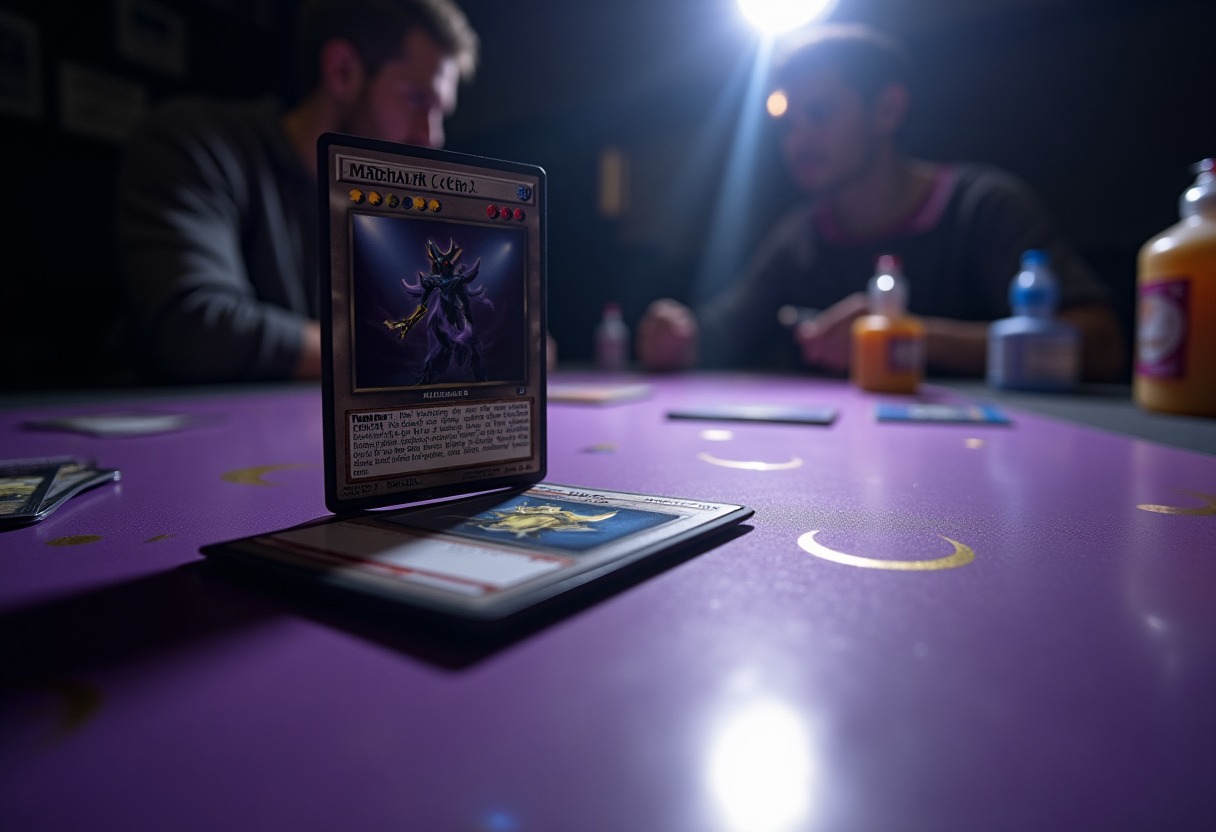
Darkrai decks dominate because they accelerate Dark Energy, hit hard early, and pressure opponents into impossible board states. But every Nightmare has its weakness—Fighting-type attackers, energy denial, and specific tech cards can turn the matchup completely around.
Why Darkrai Decks Feel Unbeatable (And Why They're Not)
The competitive Darkrai archetype relies on three core strengths: Dark Patch acceleration from the discard, high damage output from Dark Pulse or Eternal Darkness attacks, and the ability to set up multiple attackers simultaneously. Players running Darkrai Competitive Deck Build 2026 Meta variants typically max out on Dark Energy recovery, meaning they can power up 180+ damage attacks by Turn 2.
But speed isn't invincibility. Darkrai's Psychic typing in most TCG iterations gives it a glaring Fighting weakness—×2 damage from the right counter attacker. Energy acceleration means nothing if you can't keep attackers alive, and Fighting-type Pokémon with low retreat costs and efficient energy requirements can trade knockouts favorably all game long.
The psychological edge Darkrai players have comes from opponents not respecting the weakness. Most meta decks pack answers for popular threats but skip Fighting techs because they're "off-meta." That's a mistake. A single Fighting-type attacker in your deck shifts the Darkrai matchup from unfavorable to winnable.
Fighting-Type Attackers That Shut Down Darkrai
Fighting Pokémon exploit Darkrai's ×2 weakness harder than any other counter strategy. The math is brutal: a 90-damage attack becomes 180, instantly knocking out most Darkrai-EX or Darkrai-VSTAR variants without requiring complex setup. Here's what works:
Lucario-EX remains one of the cleanest counters. Two energy for 100 base damage means 200 into Darkrai's weakness—enough to one-shot most builds. Lucario's Fighting-type also resists Dark attacks, reducing incoming damage by 20. That's a double advantage that forces Darkrai players into awkward positioning.
Korrina's Focus acceleration turns Riolu into Lucario on Turn 2, matching Darkrai's setup speed. Combined with Strong Energy and Fighting Stadium, you're dealing 220+ damage before Darkrai can stabilize. → Shop Pokemon fighting type cards on Amazon for budget-friendly Fighting techs that don't require full deck commitment.
Hawlucha (one-prize attacker) deserves special mention. A single Fighting Energy powers its 60-damage attack, which becomes 120 into Darkrai. You trade a one-prize attacker for a two-prize Darkrai-EX—that's pure value math. Hawlucha also has free retreat, meaning you can pivot aggressively without losing tempo.
Machamp-V brings bulk alongside damage. 230 HP survives non-boosted Darkrai attacks, and Dynamic Punch's 220 damage (440 into weakness) removes any Darkrai from the board. The downside? Three energy cost. But if you're running Korrina's Focus or Karate Belt, that's manageable by Turn 3.
The key is not building a Fighting-type deck—it's slotting 2-3 Fighting attackers into your existing strategy. That flexibility keeps Darkrai players guessing and forces them to hold resources for a threat they can't OHKO efficiently.
Energy Denial and Disruption Strategies
Fighting weakness hits hard, but energy denial prevents Darkrai from attacking at all. Dark Patch requires Dark Energy in the discard pile, and most Darkrai builds run 10-12 basic Dark Energy total. Cut off their discard engine, and the entire strategy collapses.
Crushing Hammer and Enhanced Hammer remove energy from active Pokémon, forcing Darkrai players to waste Dark Patches re-accelerating instead of building new threats. Four copies of Crushing Hammer statistically guarantee at least one successful flip per game—that's often enough to break their Turn 2 pressure.
Team Flare Grunt and Team Rocket's Handiwork attack the discard pile directly. If you remove Dark Energy from the discard before they can patch it back, Darkrai players are stuck manually attaching one energy per turn. That's catastrophically slow for an archetype that demands instant pressure.
Path to the Peak stadium shuts down Darkrai-VSTAR's Star Ability, which many builds use for additional energy acceleration or draw power. Running two copies of Path to the Peak alongside counter-stadiums like Fighting Stadium creates a resource war where Darkrai can't establish board control.
The timing matters. Hit energy denial hard Turns 2-3 when Darkrai is setting up. If you wait until Turn 4, they've already established multiple powered attackers and your disruption becomes damage control instead of prevention.
Counter Deck Comparison: Matchup Percentages
| Deck Archetype | Darkrai Matchup (%) | Key Counter Card | Setup Speed | Prize Trade Efficiency | |----------------|---------------------|------------------|-------------|------------------------| | Fighting Box (Lucario-EX/Machamp-V) | 70-30 favorable | Lucario-EX | Turn 2 | Excellent (2-for-1 KOs) | | Zacian-V Control | 55-45 favorable | Crushing Hammer + Path to the Peak | Turn 3 | Good (grinds resources) | | Mew VMAX (with Fighting tech) | 60-40 favorable | Galarian Zapdos-V | Turn 2 | Excellent (spread damage + weakness) | | Gardevoir ex | 45-55 unfavorable | Energy acceleration outlasts disruption | Turn 2-3 | Poor (prizes traded evenly) |
Fighting Box consistently performs best because it combines weakness exploitation with prize efficiency. Running Budget Darkrai Deck Build Competitive Under 100 yourself helps you understand the opponent's lines of play—where they need energy, when they're vulnerable, which attackers they prioritize.
Product Recommendations for Anti-Darkrai Tech
Building a counter strategy requires specific tools beyond just the right Pokémon. Protect your Fighting techs, track energy denial attempts, and maintain card condition through repeated competitive testing.
→ Shop Pokemon card deck sleeves on Amazon that fit double-sleeving—your Fighting-type counters will see heavy use and need protection from shuffle wear. Dragon Shield or KMC Perfect Fits work best for cards you're constantly drawing and benching.
→ Shop TCG damage counter dice on Amazon for tracking Crushing Hammer flips and energy removal. Metal dice feel better than plastic during long tournament rounds, and clear communication about coin flip results prevents disputes.
→ Shop Pokemon playmat storage on Amazon that keeps your Fighting Stadium and other tech cards accessible during matches. Tube containers protect mats from crease damage while traveling to events where Darkrai matchups are common.
→ Shop Pokemon card binder pages on Amazon for organizing your Fighting-type collection separate from your main deck. Side-loading pages prevent cards from sliding out when flipping through options between rounds.
These aren't luxury purchases—they're competitive necessities. If your Lucario-EX is bent from repeated play or your Crushing Hammers are marked from shuffling damage, judges can issue warnings or game losses. Protect your investment in counter cards the same way you'd protect Best Darkrai Pokemon Cards in a collection binder.
Advanced Techniques Most Guides Skip
Standard counter strategies focus on obvious weaknesses—Fighting types, energy denial, disruption. But tournament-level play demands deeper reads and situational flexibility that separate competent players from consistent winners.
Guzma/Boss's Orders timing matters more against Darkrai than any other matchup. Darkrai players stack their bench with multiple threats, forcing you to knock out the active while ignoring three powered attackers waiting behind it. The trap: they want you to waste resources on the active while they pivot into a clean sweep.
Instead, use Boss's Orders to target benched Cresselia-GX or support Pokémon that provide additional energy acceleration or healing. Remove the engine, not just the attacker. A Darkrai without Cresselia loses its sustainability—you can then trade prizes efficiently without worrying about recovery.
Pokémon Tool disruption through Tool Scrapper or Tool Jammer removes Darkrai's Dark Claw or Choice Band, reducing damage output by 20-30 per attack. That difference keeps your Lucario alive for an extra turn, which often means an extra knockout. Darkrai players rarely pack Tool recovery, so once it's discarded, they're stuck with vanilla damage numbers.
Item-lock supporters like Marnie reset Darkrai's hand when they're holding multiple Dark Patches and Ultra Balls. The timing: right after they use Professor's Research but before they can execute their board setup. A well-timed Marnie Turn 2 forces them to redraw into a weaker hand, delaying their pressure by a full turn.
Prize mapping changes how you approach knockouts. Against Darkrai, taking four prizes from two-prize Pokémon puts you ahead—but if they're running Radiant Greninja or other one-prize techs, they can catch up through favorable trades. Count prizes remaining and adjust targets accordingly. Sometimes leaving a damaged Darkrai-EX alive to knockout two one-prize attackers first maintains your lead more effectively.
Understanding Darkrai Weakness Strategies Light Type Counter adds another dimension—some Fighting Pokémon have secondary Light-type attacks in certain formats, creating type flexibility that keeps Darkrai guessing about your next move.
FAQ
What's the single best counter to Darkrai in Standard format?
Lucario-EX with Strong Energy and Korrina's Focus support delivers the most consistent counter results. You set up Turn 2 matching Darkrai's speed, hit for double damage through weakness, and resist their Dark-type attacks for 20 less incoming damage. The prize trade favors you—Darkrai needs two attacks to knock out Lucario while you one-shot their Darkrai-EX. Budget builds can run Hawlucha as a one-prize alternative that still exploits the Fighting weakness, though you lose the resistance advantage. The key is running 2-3 Fighting techs minimum so you draw into the counter reliably by Turn 3.
Can I beat Darkrai without Fighting-type Pokémon?
Energy denial through Crushing Hammer, Enhanced Hammer, and disruption supporters can win the matchup, but it's significantly harder. You need to hit multiple successful flips and time disruption perfectly to slow Darkrai's acceleration before they establish board control. Path to the Peak stadium combined with Yveltal-GX or other Dark-type attackers that match Darkrai's typing creates a resource war where the better pilot wins, but you're not exploiting any natural advantage. The matchup becomes 50-50 instead of favorable. If you're committed to avoiding Fighting types, focus on control decks that outlast Darkrai's energy resources through sustained denial rather than trying to race their damage output.
How many Fighting Pokémon should I include in my deck for the Darkrai matchup?
Two to three Fighting-type attackers or techs strike the right balance without warping your deck toward a single matchup. A 2-2 Lucario-EX line (two Riolu, two Lucario) with two Korrina's Focus supporters gives consistent Turn 2 setup without dedicating excessive deck space. Alternatively, three copies of Hawlucha (one-prize basic) plus two Strong Energy provides Fighting-weakness coverage while maintaining flexibility against other archetypes. Running more than four Fighting slots risks dead draws against non-Darkrai matchups, which hurts your overall tournament win rate. The exception: if your local meta is 40%+ Darkrai variants, increase to four Fighting techs and build the rest of your deck around general consistency rather than specific counter-matchups.
Does Darkrai's Dark-type resistance make any counters less effective?
Most Darkrai cards resist Psychic-type attacks by 20 damage, not Dark-type, so using Dark-type counters doesn't trigger disadvantages. The confusion comes from Darkrai's Psychic typing in video games versus its Dark-type classification in TCG. Fighting types maintain full effectiveness because TCG Darkrai cards consistently list Fighting as their weakness across all printings. Where resistance matters: avoid using Psychic-type attackers like Mewtwo-EX or Mew VMAX without secondary attack types, as they'll deal reduced damage into Darkrai's resistance. Check Bulbapedia's Darkrai card list to verify specific weakness and resistance for the format you're playing, but Fighting weakness remains constant across competitive-legal Darkrai prints.
What tech cards shut down Darkrai's energy acceleration completely?
No single card completely stops Dark Patch, but combining Enhanced Hammer (removes Special Energy), Faba (removes Special Energy and Tool), and Team Rocket's Handiwork (mills cards from discard) creates layered disruption that cripples acceleration. Enhanced Hammer specifically counters Double Dragon Energy or other Special Energy Darkrai builds sometimes run for splashed attackers. Team Rocket's Handiwork removes Dark Energy from the discard pile before they can patch it back, forcing manual attachment. The most overlooked counter: Klefki with Wonder Lock Ability prevents Dark Patch from targeting any of your Pokémon if you maintain Klefki on bench, redirecting their acceleration toward their own board exclusively. This forces Darkrai to attack with what they have rather than building threats specifically to counter your board state, shifting momentum permanently.
Final Word
Darkrai decks thrive on intimidation—the assumption they're too fast, too aggressive, too consistent to counter without warping your entire strategy around them. But Fighting weakness, energy denial timing, and smart prize mapping turn the Nightmare matchup into a technical puzzle you can solve with two or three well-placed techs and sharper decision-making than your opponent expects.
Some links on this page are affiliate links. We may earn a small commission if you purchase through them, at no extra cost to you.
As an Amazon Associate we earn from qualifying purchases. This article contains affiliate links; if you buy through them we may earn a small commission at no additional cost to you.