 Darkrai Lair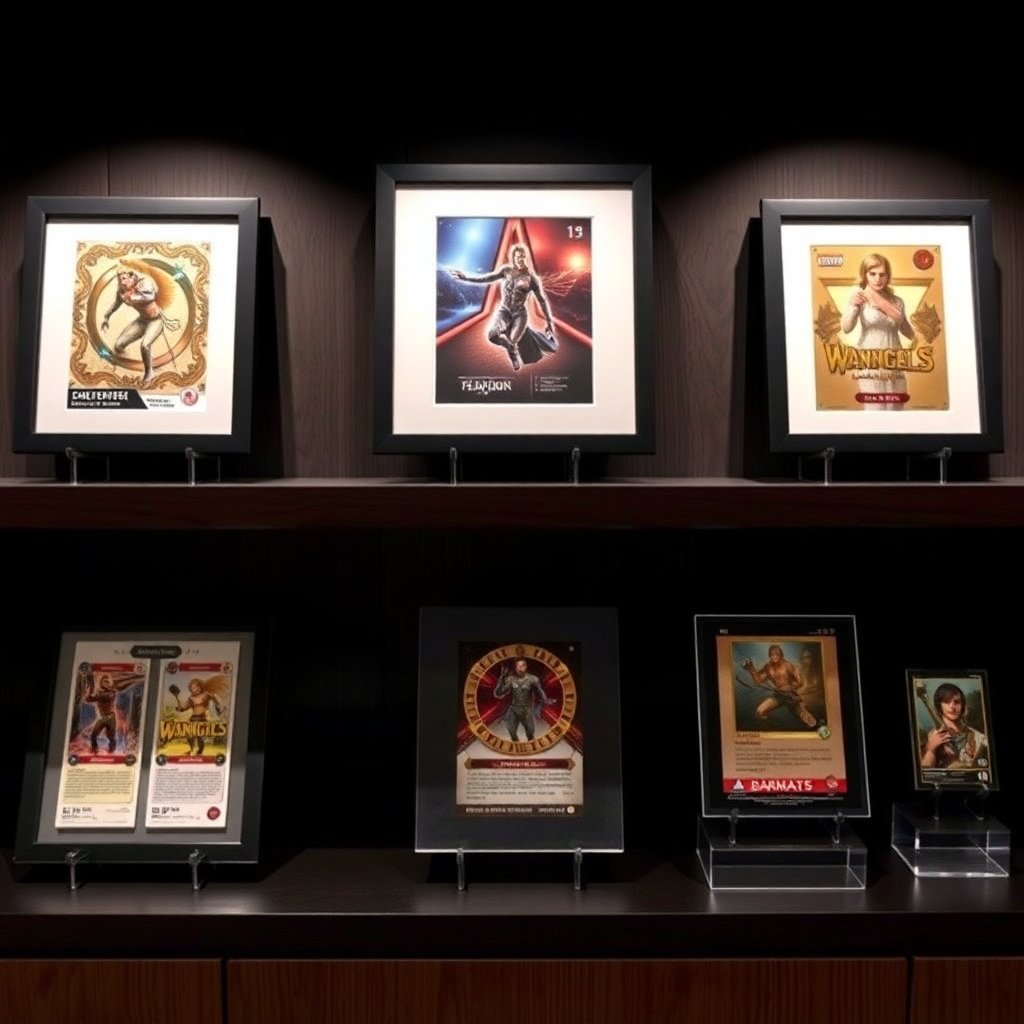
A great Darkrai card deserves more than a dark drawer. Whether you have chased down an alternate-art ex, finally landed a graded vintage hit, or pulled a Mega Darkrai ex you never want to let go of, the way you display it decides two things at once: how good your collection looks, and how well it holds up over the years. Done well, a showcase turns a stack of cardboard into the centerpiece of a room. Done carelessly, that same setup can fade inks, warp cards, and quietly erase value you worked hard to build.
A quick disclosure before we get into it: this post contains affiliate links, and a purchase made through them may earn this site a small commission at no extra cost to you. That never changes what gets recommended. The gear below made the list because it genuinely helps you display cards safely.
Protect First, Pretty Second
The single most important idea in card display is that light is not your friend. Prolonged exposure to light, and ultraviolet light in particular, breaks down dyes and paper over time. Conservation bodies like the Canadian Conservation Institute document how both visible and UV light cause cumulative, irreversible fading in inks and paper-based materials, and trading cards are no exception. A Darkrai card parked in direct sun on a windowsill can lose its punch in a matter of months, and the damage does not undo itself.
That is why every display decision should pass a simple test first: does this protect the card, or just show it off? The best setups do both. The worst ones look amazing for a season and then reveal a sun-bleached ghost of a card when you finally move it.
Three enemies matter most for a display collection:
- Light and UV, which fade colors and yellow the cardstock.
- Humidity swings, which warp cards and can encourage mold or sticking.
- Dust and handling, which scratch holo surfaces and dull edges.
Beat those three and your showcase can look sharp for a decade or more.
Acrylic Display Cases for Loose and Graded Cards
For most collectors, an acrylic case is the backbone of a display. These come in a few flavors, and matching the case to the card matters.
Magnetic one-touch holders are the go-to for raw singles you want to stand up on a shelf. The card snaps between two acrylic halves held by a magnet, and the better ones include built-in UV filtering. For a prized raw Darkrai, choose a holder rated for the correct point thickness so the card sits snug without pressure on the corners. You can compare current options and UV ratings on magnetic one-touch card holders on Amazon.
Stand-up acrylic display cases step things up for a small group of cards or a single grail you want to feature. Look for a case with a dust-sealing lid and a stable base, since a tall case with a light card can tip if it is bumped. A clustered trio of Darkrai alternate arts in matching cases reads as a deliberate collection rather than a random pile. Browse acrylic trading card display cases on Amazon to find sizes that fit your shelf depth.
If your best Darkrai cards are already graded, the slab does a lot of the protection work for you, but the slab itself still needs a stand. Dedicated graded-slab stands and wall mounts keep the label visible and the card upright without stressing the case.
Frames: Turning Cards Into Wall Art
Framing is where a Darkrai collection starts to feel like a gallery. The character's moody, high-contrast look genuinely suits a dark mat and a clean frame, and a well-framed alternate art can anchor a whole wall.
The non-negotiable feature is UV-protective glazing. Standard picture-frame glass does little to stop fading, so look for frames advertised with UV-filtering acrylic or conservation glass. Pair that with an acid-free mat so the card is not touching materials that can leach and discolor over the years. You can filter for the right spec among UV-protected trading card display frames on Amazon.
A few framing tips that separate a clean display from an amateur one:
- Never dry-mount or glue a card. Use corner mounts or a sleeve-and-mat approach so the card can be removed unharmed.
- Keep framed cards off walls that get direct sun for any meaningful part of the day, even behind UV acrylic. UV filtering reduces damage, it does not eliminate it.
- Match frame finishes across a wall. A row of identical black frames with dark mats makes even modest cards look premium.
If you want the gallery look without committing a card to a permanent frame, floating magnetic frames let you swap pieces in and out, which is handy when your chase card changes month to month.
Lighting a Dark-Type Showcase Without Cooking It
Lighting is the trickiest part of displaying Darkrai cards, because the instinct is to spotlight them, and spotlights are exactly what fade them.
The fix is to light smart. LED lighting is the safe default because quality LEDs emit very little UV and run cool, unlike halogen or incandescent bulbs that add heat and more damaging wavelengths. A lighted display cabinet or a strip of warm LED under a shelf can make holo cards shimmer without baking them. Keep the intensity modest and, ideally, on a timer or switch so the cards are not lit every hour of the day. Shoppers often start with a lighted LED display case for collectibles on Amazon and build the rest of the showcase around it.
A simple rule of thumb: if the display is warm to the touch, the light is wrong. Cards want cool, indirect, low-UV illumination, not a stage spotlight.
Layout Ideas That Make a Collection Pop
Once the protection and lighting are handled, arrangement is the fun part. A few layouts consistently look great for a Darkrai-centered collection.
The hero-and-supporting-cast shelf. Pick one standout card as the hero, place it dead center at eye level in your best case, and arrange supporting cards in a loose pyramid around it. The eye lands on the hero first, then wanders. This works beautifully if your hero is a full-art or alternate-art piece with strong artwork.
The era timeline. Line up Darkrai cards chronologically, from vintage Lv.X and Prime-era hits through to current Mega Evolution-era chase cards. A timeline tells a story and gives visitors a reason to look closely. It also quietly shows off the depth of your collecting.
The color-matched wall. Darkrai art leans heavily on blacks, purples, and cold blues, so a wall of dark-mat frames feels cohesive almost automatically. Add one or two brighter accent cards to break the monotony and your eye has somewhere to rest.
For graded cards, keep slabs grouped together rather than scattered among raw cards, since the uniform case size creates a clean, orderly block that reads as the serious core of the collection. If you are weighing whether a key card is worth grading before it goes on display, our guide to grading Darkrai cards with PSA vs BGS walks through when a slab is worth the cost.
Common Display Mistakes to Avoid
Even careful collectors trip over the same few errors. Watch for these:
- Direct or reflected sunlight. The most common and most permanent mistake. A card can be damaged by bright indirect daylight over time, not just by direct beams.
- Bathroom or kitchen walls. Humidity swings in these rooms warp cards and loosen frame seals. Keep displays in climate-stable rooms.
- Cheap PVC-based holders. Some low-cost sleeves and holders use materials that can cloud or react with a card over the years. Stick to products labeled acid-free and PVC-free.
- Overcrowding. Cramming a shelf makes individual cards disappear and raises the odds of a knock-the-domino accident. Give pieces room to breathe.
- Skipping sleeves inside cases. Even inside a display case, a penny sleeve adds a cheap layer of scratch protection for raw cards. If you want a refresher on sleeve quality and sizing, our Darkrai card sleeves protection guide covers the details.
Choosing What to Feature
Not every card belongs on display, and that is fine. The cards that reward showcasing most are the ones with striking art and real pull: alternate arts, full arts, and standout holos. If you are still deciding which pieces are worth the spotlight, our roundup of the most beautiful rare Darkrai alternate-art variants is a good place to find candidates with the visual impact a display deserves.
Keep your highest-value cards that you are not actively showing in proper storage instead. A display is for the cards you want to enjoy every day; a binder or a sealed box in a stable closet is for the ones you are holding long term. Many serious collectors rotate a handful of favorites through the showcase and keep the rest protected, which limits each card's total light exposure and keeps the display feeling fresh.
Building Your Setup Step by Step
If you are starting from zero, a sane order of operations keeps costs down and avoids mistakes. Begin with safe holders for your best raw cards so nothing is exposed while you plan. Add a single quality case or frame for your hero card and get the placement right, away from sun and heat. Only then expand into a full shelf or wall, matching finishes as you go and adding low-UV LED lighting last. Building in that order means every card is protected from day one, and the showcase grows into something intentional rather than a pile of mismatched cases.
A Darkrai collection, displayed with a little care, becomes more than the sum of its cards. Protect against light, humidity, and handling first, choose cases and frames that do that protecting for you, light the whole thing gently, and arrange it so your best piece has room to shine. Do that, and the nightmare Pokemon will look every bit as menacing on your wall as it does in the artwork.
As an Amazon Associate we earn from qualifying purchases. This article contains affiliate links; if you buy through them we may earn a small commission at no additional cost to you.