 Darkrai Lair
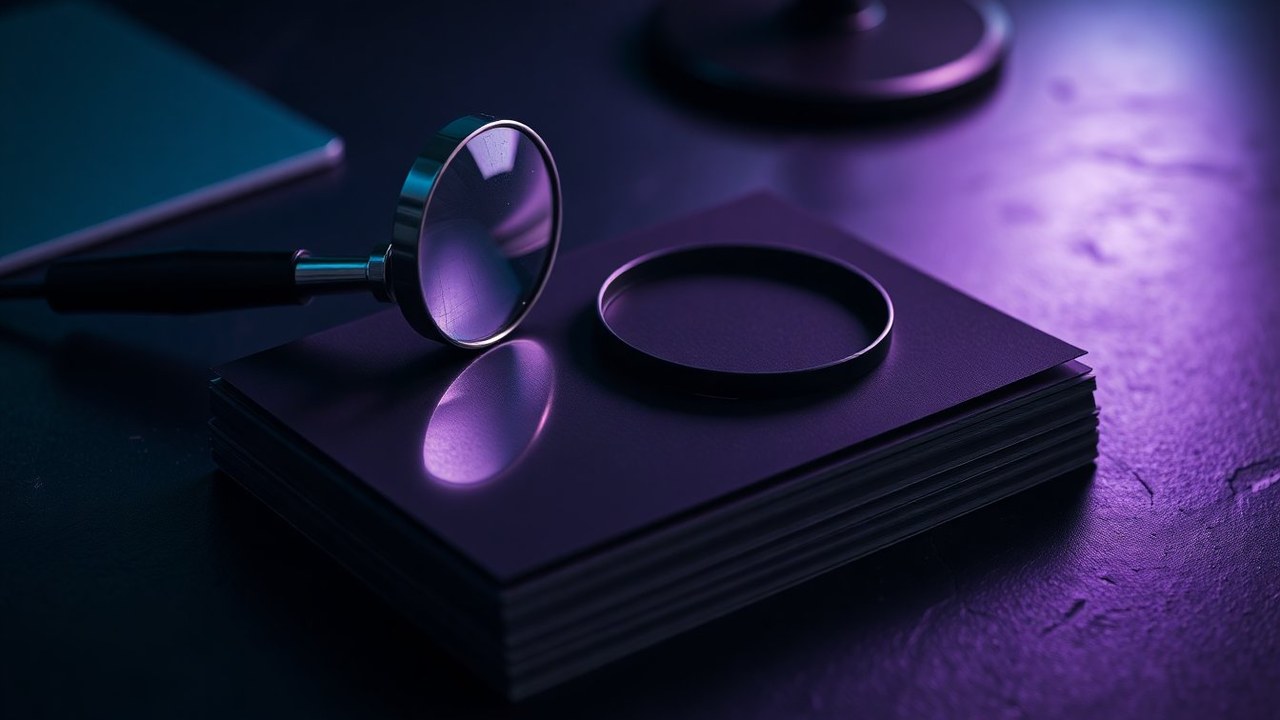
Darkrai has always looked best in the shadows, and that is exactly what makes buying its cards tricky. Deep blacks and dark, moody artwork are beautiful in a binder, but they are also unforgiving. A scuff that disappears on a bright card can catch the light across a dark one, and a seller's dim photo can hide it completely.
With gift season here, plenty of fans are buying raw singles instead of gambling on packs. That is usually the smarter way to land a specific Darkrai, as long as you know what the condition label on the listing actually promises. Those labels are less standardized than most buyers assume, and the same card can be described differently from one marketplace to the next.
This guide explains the common condition terms, shows how to inspect a card from photos and in hand, and gives you a plan for when a card arrives looking worse than advertised.
Affiliate disclosure: Darkrai Lair earns a commission on qualifying Amazon purchases made through links on this page, at no extra cost to you. Darkrai Lair is an unofficial fan site and is not affiliated with Nintendo, The Pokemon Company or Game Freak.
Raw Condition vs a Professional Grade
Start with the distinction that causes the most confusion. A condition label on a raw card is the seller's own assessment using a marketplace's guidelines. A professional grade is a number assigned by a grading company after inspection, and the card is then sealed in a slab.
eBay spells this out in its trading card condition guidelines, noting that its raw categories do not relate to a card's grade, which must be determined by a professional grader. So a "Near Mint" listing is not a promise that a card would receive a specific number. If you are weighing whether a card deserves a slab, our Darkrai card grading guide covers that decision. This guide is about buying the raw card correctly in the first place.
The Condition Ladder, in Plain English
TCGplayer, one of the largest US card marketplaces, uses five conditions in its Card Conditioning Overview. These are the labels most US buyers will encounter.
Near Mint (NM)
The card has no imperfections or only a few minimal ones. Expect it to look clean at normal viewing distance. Near Mint is not the same as flawless, so a close look under strong light may still reveal a tiny edge nick or faint surface mark.
Best for: binders, display, gifts, and any card you may want to grade later, after a careful inspection of your own.
Lightly Played (LP)
TCGplayer describes this tier as allowing minor edge wear, scuffs, or scratches, with no significant imperfections and no problems with the card's structural integrity. For many collectors, this is the best value tier: a good-looking card without paying a premium for the cleanest copy.
Best for: deck play in sleeves, budget collecting, and filling a checklist.
Moderately Played (MP)
Wear is now obvious at a glance. Think of whitening along several edges, clear scratches, or surface wear you can see without tilting the card. As a rule of thumb, a mark you can actually feel with a fingertip is a warning sign that the card has moved past light wear.
Best for: affordable copies of older cards, personal binders, and placeholders until you can upgrade.
Heavily Played (HP)
These cards show a major amount of wear and can have many imperfections, but they should still be authenticable and not structurally damaged.
Best for: getting a hard-to-find older Darkrai into the collection when the card itself matters more than its appearance.
Damaged (DMG)
Structural problems land here. TCGplayer's imperfections guide gives a bend that affects the card's structural integrity as an example. Damaged cards can still be fine as cheap sentimental copies, but they are poor gifts unless the recipient knows what they are getting.
Why the Same Word Can Mean Different Things
If you shop across borders or platforms, compare the scale before you compare the price.
| Marketplace | Raw condition terms | Watch for |
|---|---|---|
| TCGplayer | NM, LP, MP, HP, Damaged | The common US ladder |
| eBay | Near Mint or Better, Excellent, Very Good, Poor | Only four raw tiers, so each covers a wider range |
| Cardmarket | Mint, NM, Excellent, Good, Light Played, Played, Poor | Light Played sits fifth of seven tiers |
That last row is the classic trap. On Cardmarket's condition scale, Light Played ranks below both Excellent and Good. A US buyer who reads "LP" and assumes a lightly worn card may be surprised by what arrives. Read the full name of the condition, and check the platform's definition whenever you buy outside your usual marketplace.
eBay's guidelines add a rule worth remembering everywhere: the most significant flaw determines the overall condition. One sharp crease outweighs three perfect corners.
How to Inspect a Darkrai Single From Photos
A listing with a single stock image tells you almost nothing about the actual copy. For any card that matters to you, look for real photos or ask the seller for them.
Request the front and back. The back often shows wear first, because the dark blue border makes white edge chips easy to see.
Ask for one angled photo under direct light. Flat, straight-on photos hide scratches and dents. Tilting the card lets the light rake across its surface and is the single most useful request you can make, especially on dark or holographic artwork.
Zoom into all four corners. Look for white specks, softness, or a rounded shape.
Follow every edge. Chipping along a long edge is easy to miss in a thumbnail.
Check for warp. A photo from the side can reveal a curve or bend. Modest curl can be common on foil cards, but a sharp bend is a different problem.
Be wary of heavy filters or dark backgrounds. A black backdrop can flatter a dark card and disguise edge wear. A plain, neutral background is more honest.
Condition is not the only thing to verify. Before paying real money for a higher-end single, run it through our guide to spotting fake Darkrai cards, because a perfect-looking counterfeit is still a counterfeit.
How to Inspect It When It Arrives
Open the package over a clean, flat surface and keep the card in its sleeve until you have a good look at it. Then:
- Take photos before removing it from its packaging in case you need to open a dispute.
- Use a bright desk lamp and tilt the card slowly in several directions.
- Use a loupe or magnifier on the corners and any suspicious marks.
- Check the surface for dents by watching how the reflection moves across the card.
- Compare it against the original listing photos while they are still available.
→ Shop jeweler's loupes and card inspection magnifiers on Amazon
→ Shop LED desk lamps for card inspection on Amazon
What to Do If a Card Is Worse Than Listed
Stay calm and move quickly. Most marketplaces have buyer protection, but the rules and deadlines differ, so check the current policy on the site you used.
- Message the seller first with clear photos and a short, factual description of the difference.
- Keep the card in its original condition, sleeved and unaltered, until the issue is resolved.
- Keep all packaging and messages until you have your outcome.
- Open a formal claim through the platform if the seller does not respond or refuses to help.
If you are buying a gift, order early enough to leave yourself time to inspect the card and sort out any problem before the holiday.
Protect the Condition You Paid For
A Near Mint card can drop a tier in one careless shuffle. Once a Darkrai arrives, sleeve it right away and move it into a top loader or a quality binder. Our Darkrai card sleeves and protection guide goes deeper on sizes and storage, but the essentials are simple.
→ Shop penny sleeves and top loaders on Amazon
→ Shop zippered side-loading card binders on Amazon
Avoid cheap binders with rings that press into the inner column, and keep your collection away from humidity and direct sunlight. Dark inks and foils are no place to test how much UV a card can take.
Which Condition Should You Actually Buy?
For a gift: choose Near Mint when you can. The recipient will see the card up close, and a clean copy feels like a real present.
For a playable deck: Lightly Played is often the sweet spot. Inner sleeves and deck boxes will protect it, and small flaws will not matter at the table. Just make sure any wear would not make a sleeved card identifiable in a tournament setting.
For an older Darkrai on a budget: Moderately Played can be a satisfying way to own a card you might otherwise skip. Pick wear you can live with, such as edge whitening, over a crease across the artwork.
For a future grading submission: buy the cleanest copy you can inspect in detailed photos, and treat a "Near Mint" label as a starting point rather than a prediction.
The Pitch-Black Pokemon rewards a patient collector. Read the label, ask for the angled photo, and inspect every card when it lands, and the Darkrai that goes into your binder will look just as good in the light as it does in the dark.
As an Amazon Associate we earn from qualifying purchases. This article contains affiliate links; if you buy through them we may earn a small commission at no additional cost to you.