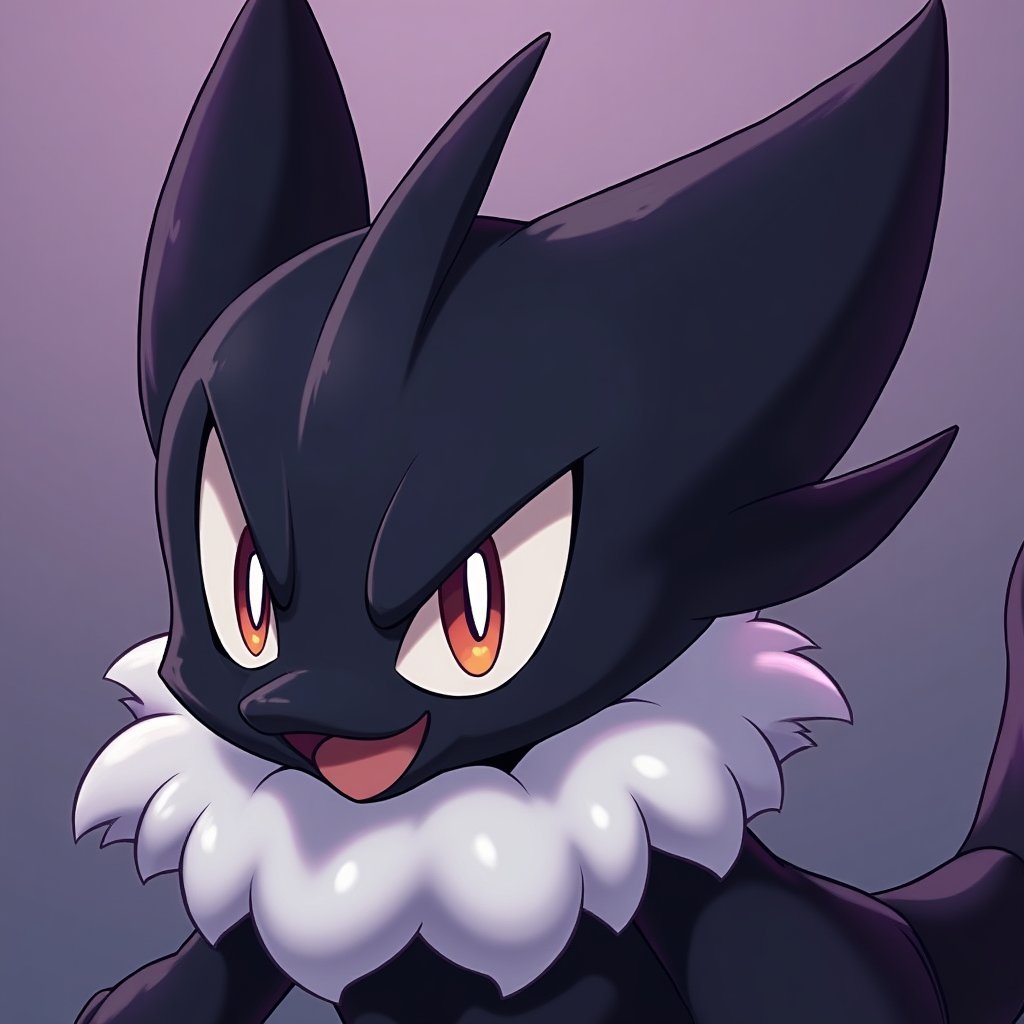
 Darkrai Lair
Darkrai's Bad Dreams ability doesn't just chip away at sleeping opponents—it fundamentally reshapes how you approach competitive battles. Combined with signature moves like Dark Void, this legendary Dark-type transforms traditional sleep strategies into relentless pressure engines that force opponents into impossible positions.
Why Bad Dreams Defines Competitive Darkrai Strategy
Bad Dreams inflicts damage equal to 1/8 of the opponent's maximum HP each turn while they remain asleep. This isn't just passive damage—it's a strategic timer that accelerates every battle phase. According to Bulbapedia's ability mechanics breakdown, the ability activates at the end of each turn, making it unavoidable once sleep status connects.
The synergy becomes devastating when paired with Darkrai's movepool. Dark Void puts entire teams to sleep with 50% accuracy against each target, while moves like Sleep Talk and Dream Eater create multiple win conditions. Against bulky defensive cores that rely on recovery moves, Bad Dreams pressure prevents stalling tactics entirely.
Competitive players often overlook the psychological impact. Opponents facing a sleeping team member with Bad Dreams active must choose between switching (losing momentum) or gambling on wake-up timing. This decision paralysis creates openings for setup sweepers or additional sleep targets.
Dark Void Mechanics and Optimal Usage Patterns
Dark Void's unique targeting makes it the centerpiece of Darkrai's competitive identity. Unlike single-target sleep moves, Dark Void attempts to put all opposing Pokémon to sleep simultaneously. The 50% accuracy per target means roughly 12.5% chance of hitting all targets in doubles, but even partial success creates immediate advantages.
The move's power lies in forced switches. Even if only one opponent falls asleep, the Bad Dreams timer begins while the sleeping Pokémon becomes dead weight. Teams built around sleep immunity (Safety Goggles, Grass-types, or Vital Spirit abilities) can counter this strategy, but such preparation limits team flexibility.
Modern competitive formats restrict Dark Void usage, but understanding its mechanics remains crucial for formats where it's legal. The move triggers Sleep Clause in many rulesets, preventing additional sleep induction once one opponent is asleep. This makes timing and target selection critical—you want to sleep the most threatening or valuable target first.
Priority moves become essential partners. Darkrai's naturally high speed (125 base) ensures Dark Void often moves first, but Prankster users or Fake Out support guarantee setup opportunities. → Shop Pokemon strategy guides on Amazon provide detailed team synergy analyses for competitive builds.
Darkrai Move Synergies and Team Role Analysis
| Move | Primary Function | Bad Dreams Synergy | Competitive Viability | |------|-----------------|-------------------|---------------------| | Dark Void | Multi-target sleep induction | Activates ability on multiple targets | Restricted in most formats | | Dream Eater | Healing + damage vs sleeping foes | Double damage source with ability | Situational but powerful | | Nightmare | Additional sleep damage | Stacks with Bad Dreams for 3/8 HP loss | Niche in sleep-focused teams | | Hypnosis | Single-target reliable sleep | Consistent ability activation | More accuracy than Dark Void |
Dream Eater deserves special attention in Bad Dreams strategies. The move deals damage while healing Darkrai, but only works against sleeping targets. When Bad Dreams is already chipping away 1/8 HP per turn, Dream Eater becomes a 200+ power recovery move with no drawbacks. This creates a feedback loop where Darkrai becomes increasingly difficult to KO while the opponent's health depletes rapidly.
Nightmare stacking represents the most aggressive approach. While risky due to move slot limitations, combining Bad Dreams (1/8 HP) with Nightmare (1/4 HP) creates 3/8 maximum HP loss per turn—enough to KO most Pokémon in three turns regardless of defensive investment. This strategy works best against setup sweepers or walls that typically stay in to recover.
Support moves like Substitute and Protect extend sleep duration by stalling wake-up chances. Darkrai's speed advantage makes Substitute particularly effective, creating a barrier while Bad Dreams accumulates damage. The combination forces opponents into prediction games where wrong guesses compound rapidly.
Product Recommendations for Competitive Darkrai Players
Serious competitive players need reliable reference materials for ability interactions and damage calculations. → Shop competitive pokemon books on Amazon offer comprehensive ability guides that detail timing windows and interaction priorities.
Physical reference cards become invaluable during tournament play. → Shop pokemon ability reference cards on Amazon provide quick lookup for complex interactions without requiring electronic devices that might be restricted in competitive venues.
Move chart posters help visualize type effectiveness and move interactions. → Shop pokemon move chart poster on Amazon display comprehensive coverage options that complement Darkrai's Dark-type STAB moves.
Type effectiveness charts remain essential for quick strategic decisions. → Shop pokemon type effectiveness chart on Amazon help identify which opponents resist Dark-type attacks and might require alternative approaches.
For collectors interested in competitive cards, our Darkrai Competitive Deck Build 2026 Meta covers current tournament-viable options, while Most Valuable Darkrai Cards highlights cards that maintain both competitive and collection value.
Advanced Bad Dreams Strategies Most Guides Miss
Residual damage stacking creates the most overlooked competitive advantage. Bad Dreams combines with entry hazards, weather damage, and status conditions to create multiple damage sources that bypass traditional defensive measures. A sleeping opponent taking Stealth Rock, Bad Dreams, and Sandstorm damage loses nearly 40% HP per turn without any direct attacks.
Sleep Talk becomes a critical partner move in this context. When Darkrai itself falls asleep (through opposing sleep moves or rest strategies), Sleep Talk can randomly select powerful moves while Bad Dreams continues affecting opponents. This creates scenarios where both players have sleeping team members, but only Darkrai's side benefits from the ability.
Turn order manipulation through speed control changes Bad Dreams timing. Thunder Wave or Trick Room support can ensure Darkrai moves after opponents wake up, potentially landing another Dark Void before they can act. The ability triggers at turn end, so speed changes don't affect damage timing but can influence setup opportunities.
Counter-strategy preparation requires understanding common sleep immunity options. Grass-types, Safety Goggles users, and Insomnia/Vital Spirit abilities all invalidate sleep strategies. Teams running Darkrai need backup plans against these counters—typically involving coverage moves or alternative win conditions through teammates.
FAQ
Does Bad Dreams work if Darkrai switches out after putting an opponent to sleep? Bad Dreams only activates while Darkrai remains on the field with a sleeping opponent present. If Darkrai switches out, the ability stops working immediately, even if the opponent stays asleep. However, switching Darkrai back in reactivates the ability if the opponent is still sleeping. This makes pivot moves and careful switching timing crucial for maintaining pressure while avoiding unfavorable matchups.
Can Bad Dreams damage stack with other residual damage effects like poison or burn? Yes, Bad Dreams stacks with all other forms of residual damage including poison, burn, weather effects, and entry hazards. The damage sources apply separately at the end of each turn, meaning a sleeping, poisoned opponent in a sandstorm takes damage from Bad Dreams (1/8), poison (1/8), and sandstorm (1/16) for a total of 5/16 maximum HP per turn. This stacking potential makes sleep-inducing moves extremely threatening in the right conditions.
How does Sleep Clause affect Darkrai's competitive viability in different formats? Sleep Clause prevents putting additional Pokémon to sleep while one opponent is already sleeping, significantly limiting Dark Void's multi-target potential in most competitive formats. This restriction forces Darkrai players to choose their sleep targets carefully and often rely on single-target moves like Hypnosis instead. However, formats without Sleep Clause allow devastating multi-sleep strategies that can cripple entire teams simultaneously.
What happens if both players have sleeping Pokémon with abilities that activate at turn end? Turn end effects like Bad Dreams activate in speed order, with the faster Pokémon's ability resolving first. If both players have multiple end-of-turn effects, they resolve in order of the Pokémon's speed stats. This timing rarely affects Bad Dreams specifically since it only damages opponents, but it becomes crucial when combined with other end-of-turn abilities like Poison Point or weather damage calculations.
Which Pokémon counter Bad Dreams strategies most effectively in competitive play? Grass-type Pokémon with sleep immunity completely shut down Bad Dreams strategies since they can't be put to sleep by most moves. Safety Goggles users also ignore powder-based sleep moves, though Dark Void still affects them. Magic Bounce users like Espeon can reflect sleep moves back at Darkrai, while Prankster users with Taunt can prevent sleep setup entirely. Electric Terrain also prevents sleep status for grounded Pokémon, making it a reliable counter strategy.
Bad Dreams transforms Darkrai from a standard offensive threat into a unique pressure engine that reshapes entire battle dynamics through relentless, unavoidable damage accumulation.
Some links on this page are affiliate links. We may earn a small commission if you purchase through them, at no extra cost to you.
As an Amazon Associate we earn from qualifying purchases. This article contains affiliate links; if you buy through them we may earn a small commission at no additional cost to you.